Video2026-02-229 min readBack to blog

From Frozen Frames to Motion: What Actually Improved LTX-2 Reliability

If you have ever generated a clip that technically finished but looked almost frozen, this article is for you. We ran a broad quality pass focused on one thing: making video output more dependable for real product usage, not just highlight demos.
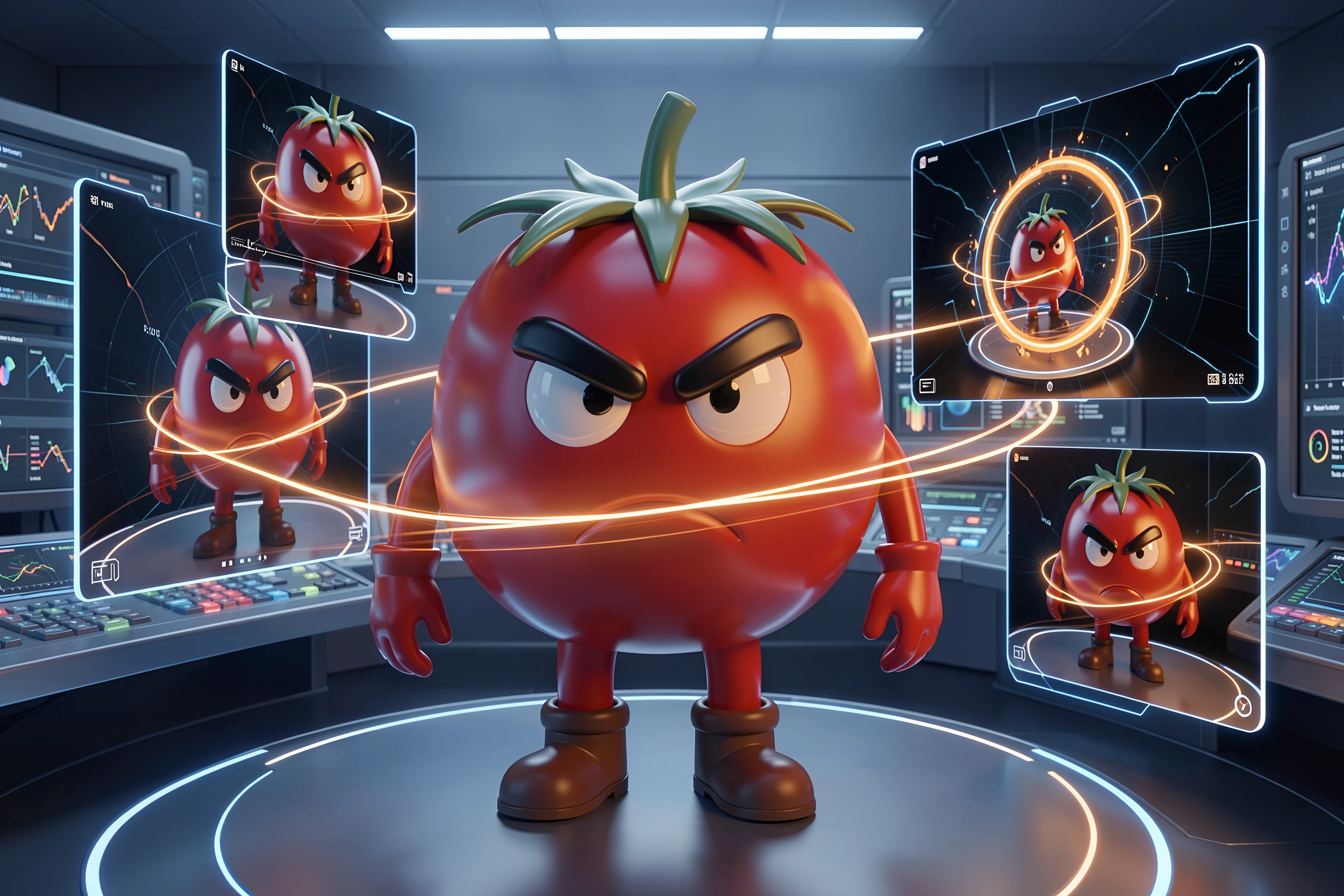
Mascot with video quality dashboards

Common failure patterns

Weak starting frames. If frame zero has ambiguous subject shape or pose, motion quality usually collapses early.
Overstuffed prompts. Long cinematic paragraphs can sound nice but often produce inconsistent movement intent.
No movement priority. If the prompt does not force immediate action, many clips spend too long in a near-static hold.

Failure example versus clean, coherent motion

These two clips are from the same broader LTX refinement effort. The left sample shows a bad run with unwanted overlay artifacts and weaker action consistency. The right sample shows the target behavior: cleaner motion, stable subject identity, and a shot that feels production-usable.

Bad sample: overlay/text artifacts with less coherent action.

Good sample: cleaner motion progression and consistent subject behavior.

Quality changes you can feel

We tuned generation behavior for reliable motion starts, not just pretty still frames.
Prompt guidance now favors clear action language over decorative phrasing.
Default quality settings are aimed at consistency first, then style.

How to get better results faster

Start with a clean anchor image where the subject silhouette is obvious and readable.
Ask for one continuous shot with one core action. Keep the motion goal concrete.
Use explicit camera intent only when needed. Too many camera directives can fight the action.
Run small prompt variants and keep the best family, instead of overfitting one giant prompt.
Explore Video ShowcaseBuy Credits